
School Law Institute
Skip to content Skip to main navigation
Printer-friendly Version
The School Law Institute
JULY 9-13, 2018
The School Law Institute at Columbia University is a national education program available for graduate credit, on a non-credit basis, and in some states for continuing education credits. In 2018, it will take place in air-conditioned space at Columbia Law School for one week between July 9 and 13.
Now in its 30th year, originally at Harvard and now at Columbia, the Institute will explore significant recent developments in education law and their impact on policy and practice at the federal, state, district, and school levels. Our objective is to provide aspiring, new, and career educators, policy analysts and policy makers, researchers, charter-school professionals (administrators, teachers, and board members), attorneys, advocates, and others with knowledge and skills they need to advance their most important educational priorities and minimize legal problems. The Institute has consistently received high praise from participants.
There is no better time to take part. In today’s polarized environment, almost every day brings important new developments on such critical issues as: (a) immigration law, policy and practice; (b) the Internet, social networks, and cyberbullying; (c) bullying and harassment based on race, national origin, immigration status, religion, sex, sexual orientation, and sexual identity; (d) testing and accountability; (e) charter schools and voucher programs; (f) implicit bias and the school-to-prison pipeline: (g) the rights and needs of students with disabilities; (h) affirmative action; (i) ESSA; and (j) language policy and regulation. In sum, federal and state law, policy, and practice are rapidly changing in ways that deeply touch education policy and practice for educators, students, and communities. This is a good time to take stock and try to make sense of what’s happening.
More from the School Law Institute
Contact Us
Phone: (212)678-8331
Email: Sli@tc.edu
Faculty
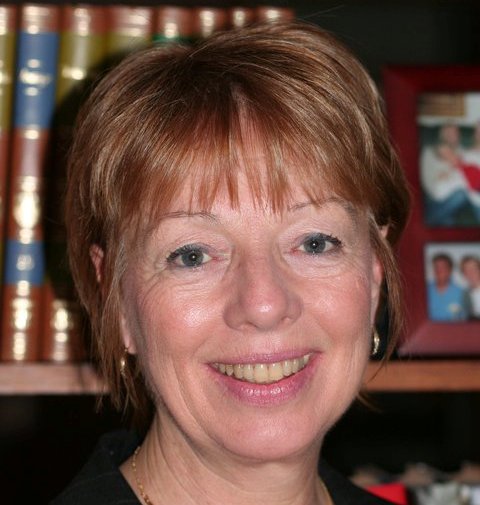
Carol Burris
Carol Burris Ed. D. Executive Director, Network for Public Education, Former NY Educator of the Year, Former SAANYS New York State High School Principal of the Year.
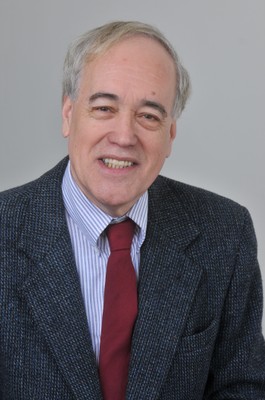
Gary Orfield, Ph.D.
Gary Orfield, Ph.D. is a Distinguished Research Professor of Education, Law, Political Science and Urban Planning at the University of California, Los Angeles.
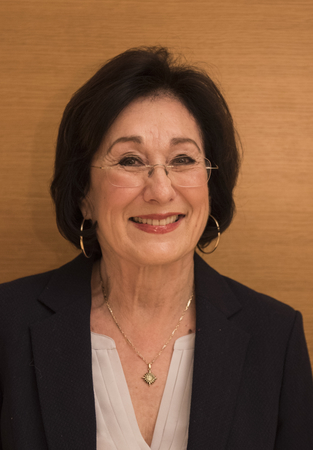
Patricia Gandara, Ph.D.
Patricia Gandara, Ph.D. is a Research Professor of Education in the Graduate School of Education and Information Sciences at UCLA. She received her PhD in educational psychology from UCLA.
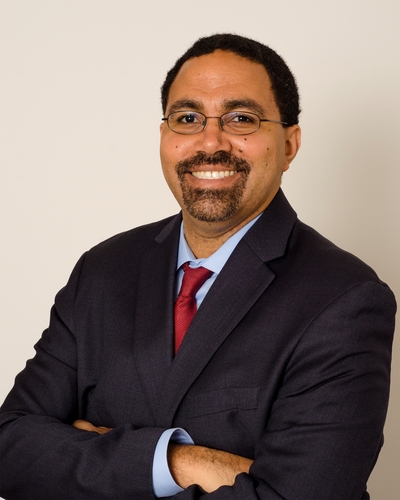
John B. King, Jr., Ed.D., J.D.
John B. King, Jr., Ed.D., J.D. is the President and CEO of The Education Trust, a national nonprofit organization that aims to identify and close opportunity and achievement gaps, from preschool through college.
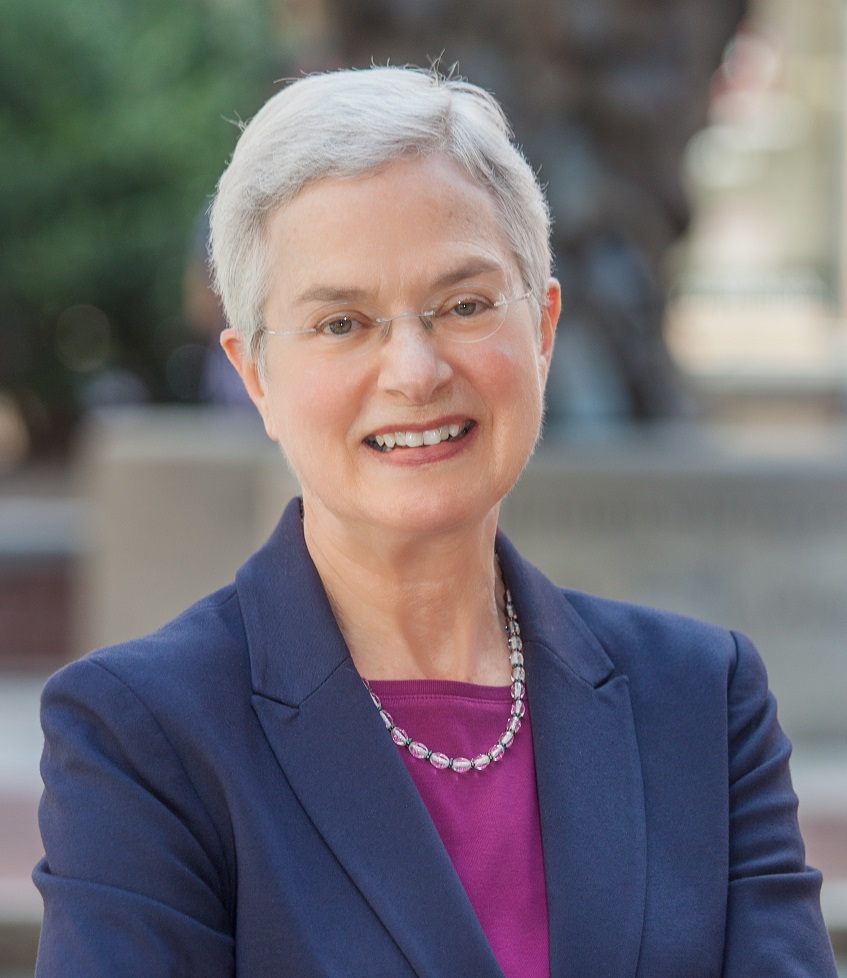
Rhoda E. Schneider, J.D.
Rhoda E. Schneider, J.D. is General Counsel and Senior Associate Commissioner of the Massachusetts Department of Elementary and Secondary Education.
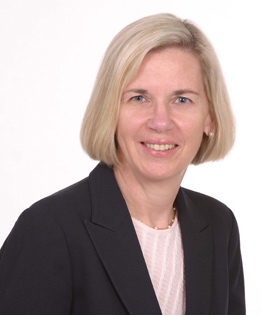
Maree Sneed, J.D., Ph.D.
Maree Sneed, J.D., Ph.D. is a partner at the law firm of Hogan Lovells and is a member of the firm’s nationally prominent education practice.
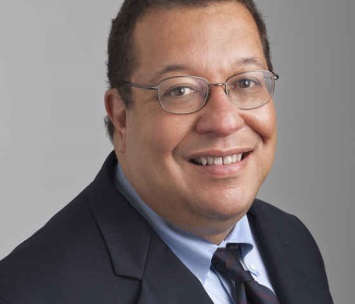
Dennis D. Parker, J.D.
Dennis D. Parker, J.D. is the Director of the ACLU National Office's Racial Justice Program, where he coordinates the racial justice work done by the ACLU's national office and its affiliates.
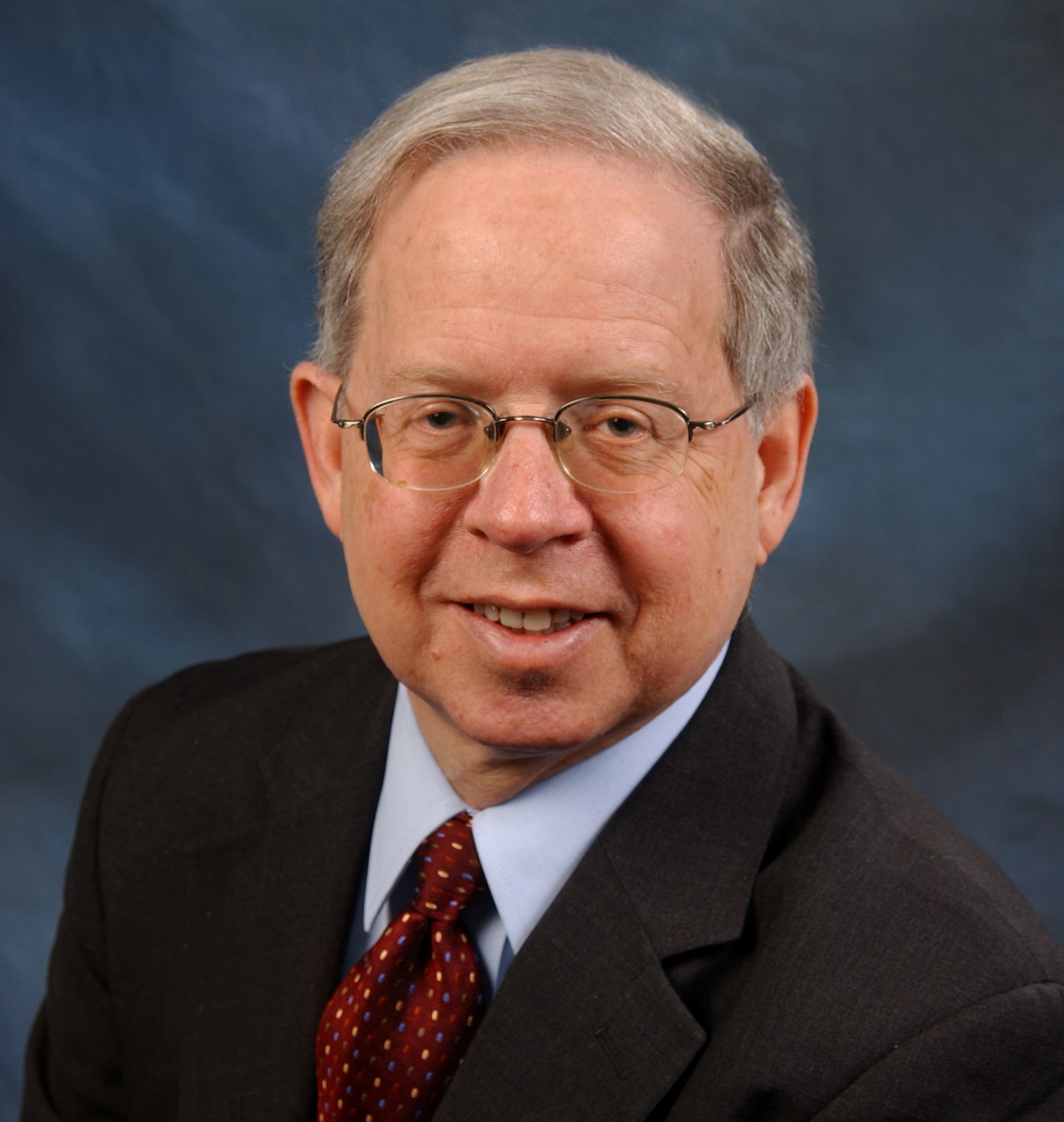
Michael A. Rebell, J.D.
Michael A. Rebell, J.D. is an experienced litigator, administrator, researcher, and scholar in the field of education law.
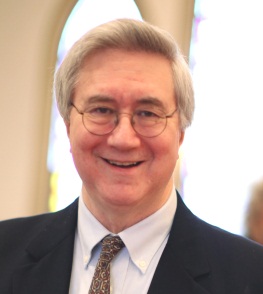
Jay P. Heubert, Institute Faculty Chair
Jay P. Heubert, Institute Faculty Chair is a Professor of Law and Education at Teachers College, Columbia University, and an Adjunct Professor of Law at Columbia Law School.

Perry A. Zirkel
Perry A. Zirkel J.D., Ph.D. is University Professor Emeritus of Education and Law at Lehigh University.