Carousel
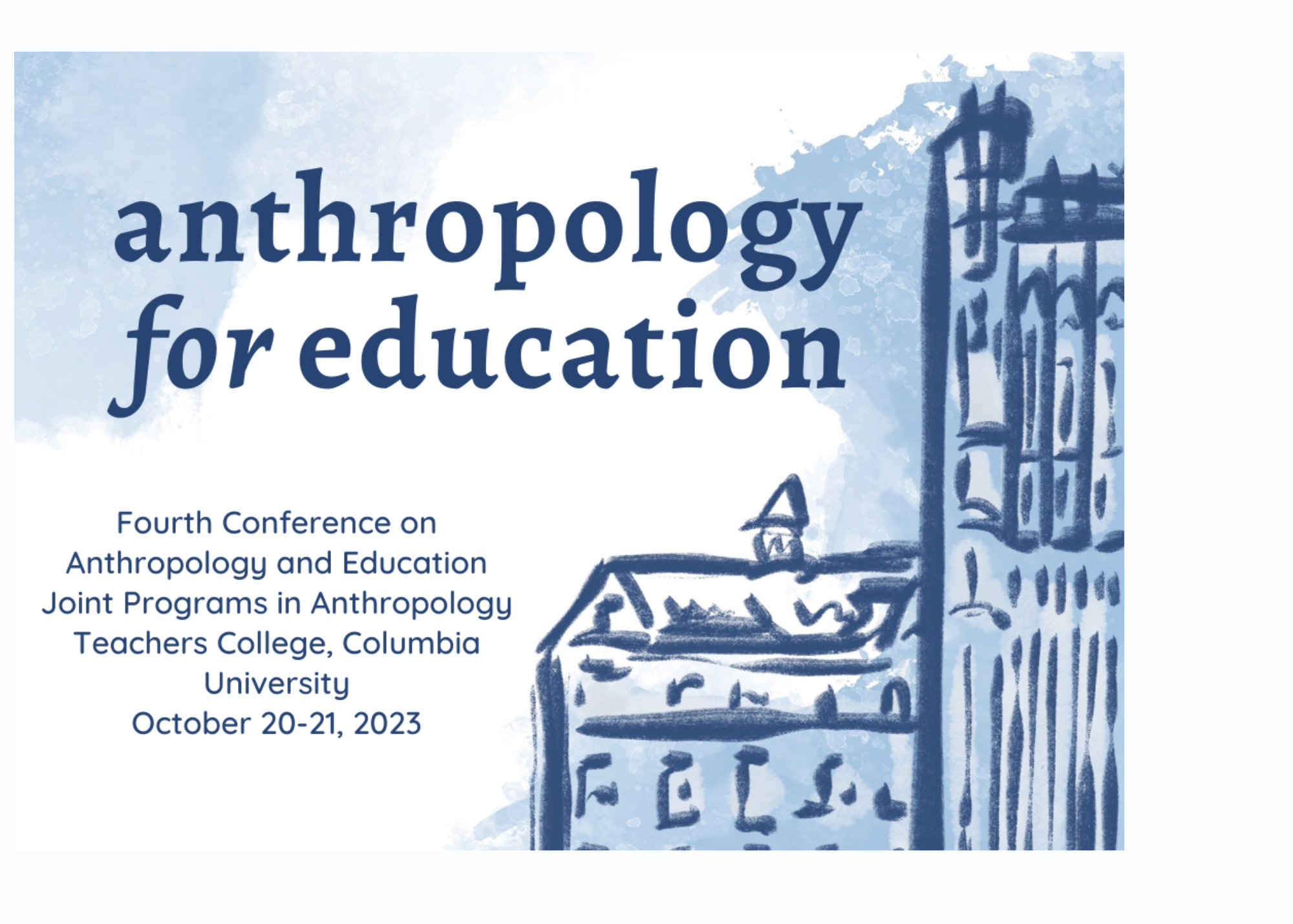
Fourth Conference on Anthropology and Education
We are excited to announce our fourth conference on Anthropology and Education, Anthropology for Education. Presentations will explore the value of anthropology and ethnography for educators and policy makers. Click here to view the CONFERENCE WEBSITE and the PROGRAM BOOK & SCHEDULE.
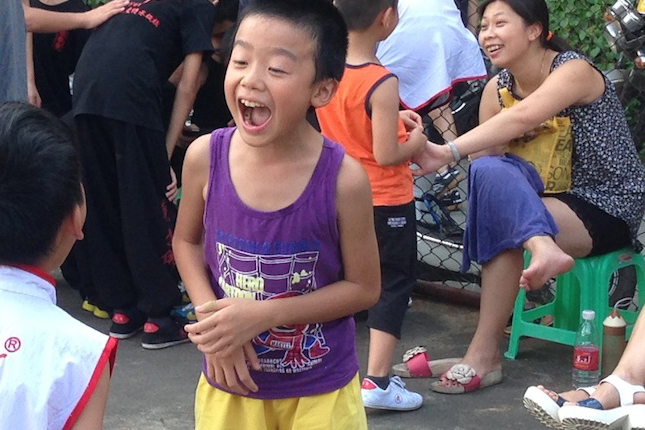
Understand the cultural, social and linguistic dimensions of education
We spend time learning from people around the world. Our program offers insight to better understand inequalities, cultural differences, linguistic diversity, and the wealth of human life for educational purposes. Our students become productive scholars, practitioners, and activists.
Welcome to the Anthropology program
Anthropology is positioned to answer some of the toughest questions of education and policy-making because of its emphasis on spending time with and learning from people. Our program highlights participatory ethnography: engaging in and observing human activities and conversing with people as a means of improving education and collaborating with local groups and organizations. We offer one of the only master's programs in Anthropology and Education in the world and we offer a unique outlook on how to understand and support diverse approaches to education in and outside the classroom.
Our two doctoral programs help student develop the complex theoretical and methodological issues involved in the application of anthropological knowledge and approaches to matters of policy concern in medicine, psychiatry, psychoanalysis, economic and community development, education, businesses and corporations, institutional programs, and ecological and environmental change.
Photo Gallery
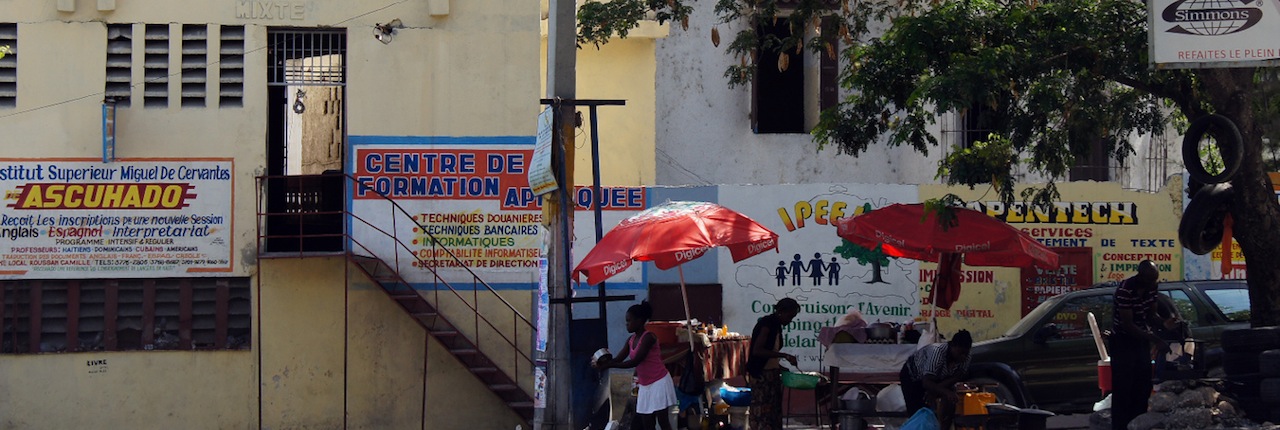
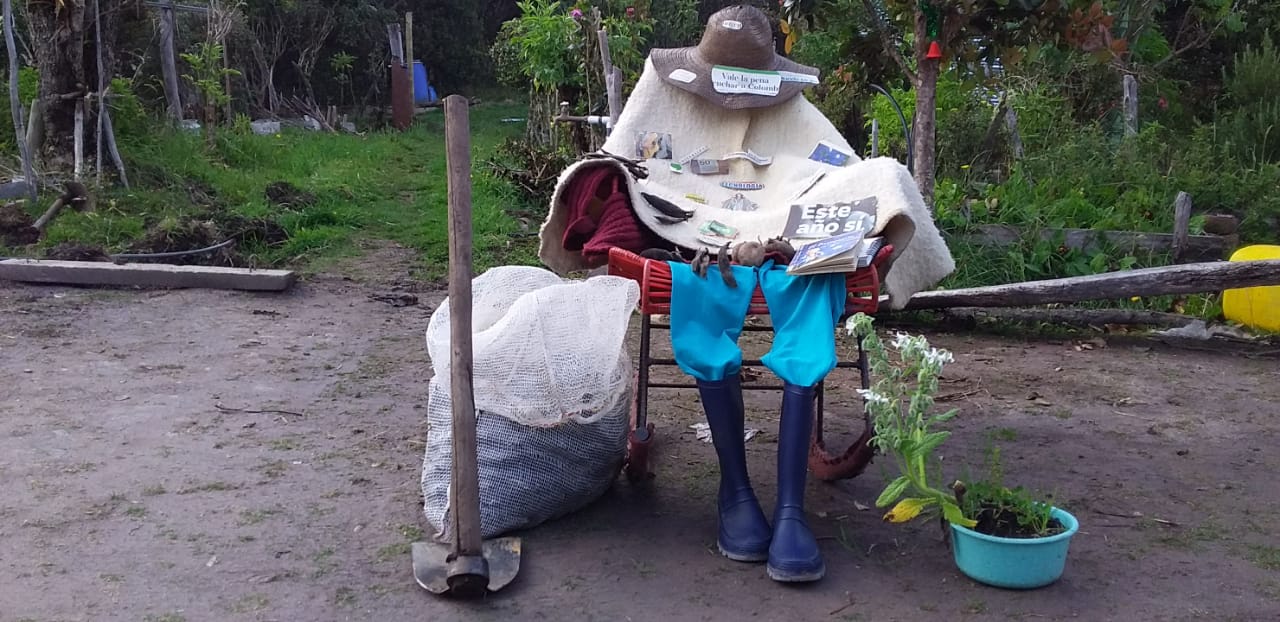
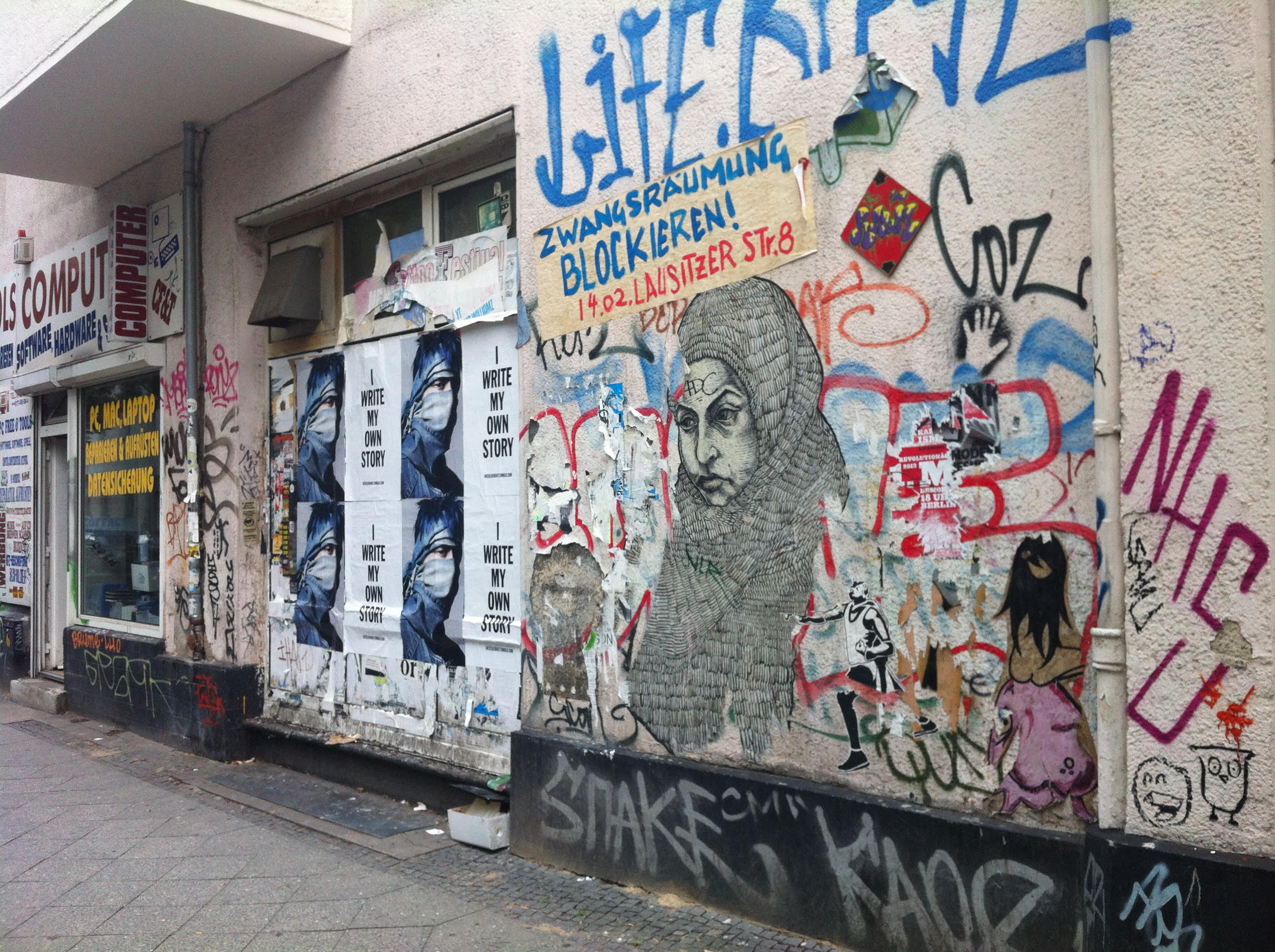
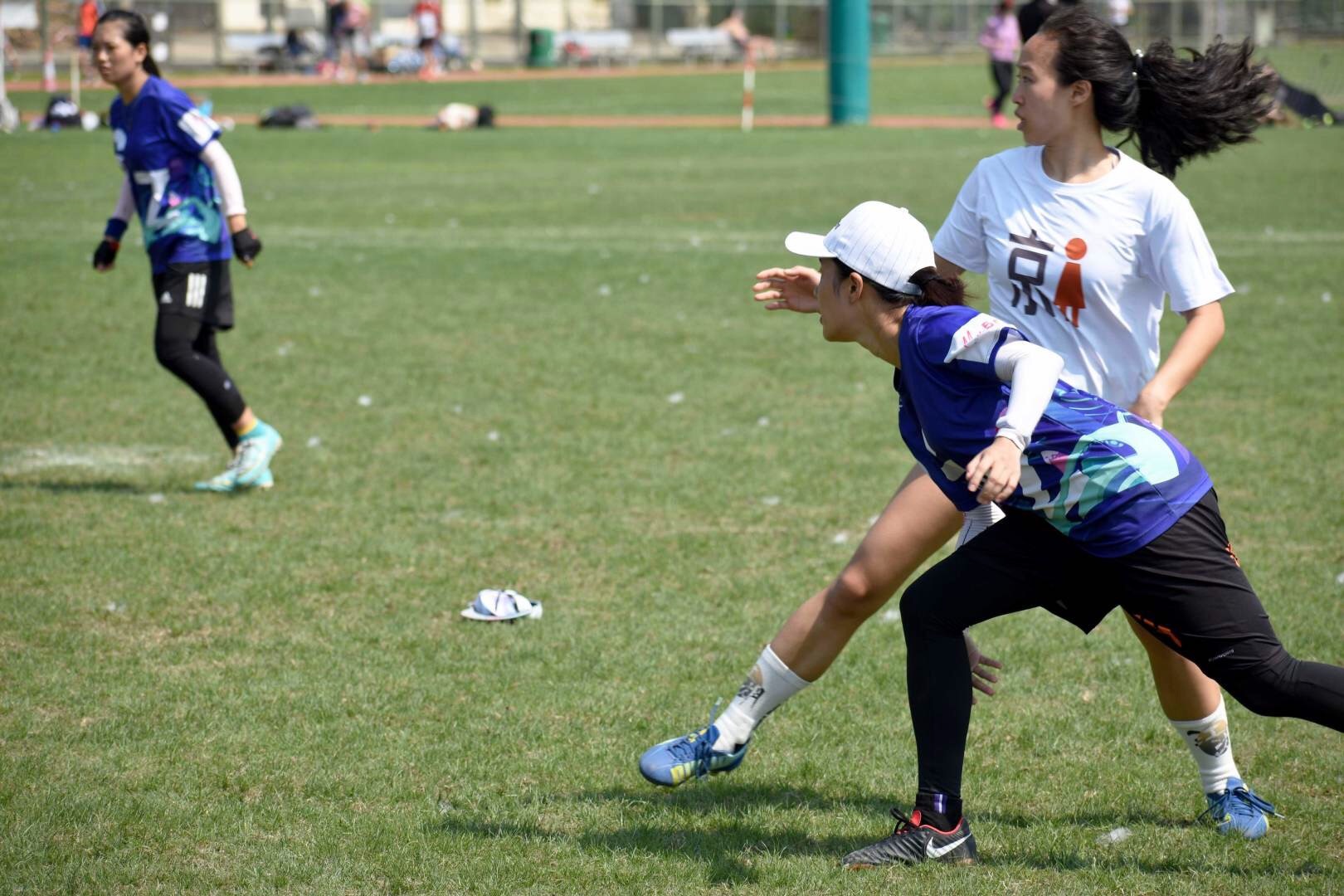
Images expand to full size on click. Please ignore duplicate caption, they are in so that the other styles will display. To be adjusted when a style is selected.

Choose Your Degree
Use the tabs below to discover our degree programs.
News & Announcements
Upcoming Events
Announcements
Read Our Blog

Anthropology Blog
The Anthropology Programs at Teachers College, Columbia University
“Art in the Field:” Esther Fan, Skylar Hou, and Prof. Amina Tawasil brought anthropological research into SoHo gallery
The inaugural exhibition of ModA Curation, Being Human, took place in NYC’s soho district from March 14-20, 2024. On opening night, it attracted upwards of 200 people, including representatives of Forbes, Hyperallergic, Pace Gallery, and The Drawing Center. At this art show, members from the TCAnthro community participated as curator, artists, and presenter, bringing anthropology […]
TCAnthro students and faculty present at 2024 AES/APLA Spring Conference in Pittsburgh, PA
Programs in Anthropology are proud to share that students and faculty from our program presented at the American Ethnological Society & Association for Political Legal Anthropology (AES/APLA) 2024 Spring Conference at the University of Pittsburgh this weekend. Students in Prof. Amina Tawasil’s ITSF 5001 Ethnography and Participant-Observation (fall 2023) organized a flash ethnography panel to present […]
Anna Burns (1st year Ph.D. student) on her research centering Indigenous education, and her first-year experience at TCAnthro
Hi! I’m Anna Burns , I am the first-year Doctoral Fellow in the Anthropology and Education program. I am an avid reader outside of school, and I love viewing and making art. I also LOVE to bake!! What are you currently reseraching? My research centers on how education systems do and don’t work for Indigenous […]
Admissions Information
Application Requirements
- Master of Arts
- Master of Education
- Doctor of Education
- Doctor of Philosophy